Guide
Golf trolley winter wheels: do you need them?
Published
Note: This page contains affiliate links. If you buy through them we may earn a commission at no extra cost to you. Learn more
In short
Many UK golf clubs require winter wheels, or restrict trolleys altogether, when the course is wet, to protect soft turf from ruts. Winter wheels are wider and usually smooth or lightly treaded so they spread the load and do not tear the grass. If your club requires them, you will need a set made to fit your trolley's axles.
Products for this job
Compare all 7 productsClicgear 4.5: hand brake, command centre console
Check price on AmazonAffiliate linkCaddytek CaddyLite: one-click semi-auto fold
Check price on AmazonAffiliate linkClicgear 8.0+: 4 x Fold, dual front brakes
Check price on AmazonAffiliate link
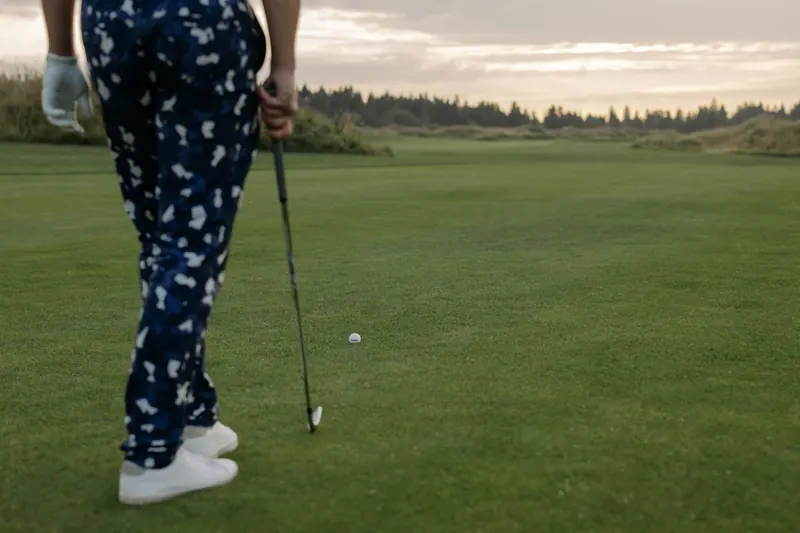
Every autumn, notices go up at British golf clubs about trolley rules: winter wheels only, trolleys banned on certain holes, or no trolleys after heavy rain. If you are new to a club, the rules can be confusing. This explainer covers why clubs bring in winter wheel rules, how winter wheels differ from standard ones, how to choose a set for your trolley, how to fit them and what to do if your club bans trolleys altogether on wet days.
Why clubs require winter wheels
In a typical British winter, fairways and walkways are soft and wet for weeks at a time. Narrow trolley wheels with deep tread concentrate weight on a small area and can cut into the turf, leaving ruts that take months to recover. Greenkeepers ask for winter wheels because wider, smoother wheels spread the load over more grass and roll over it rather than digging in. On the wettest days, some clubs go further and ban trolleys entirely, or restrict them to certain areas.
Rules vary from club to club and change with the weather. Check the notice board, the club app or the pro shop before you play, especially at a course you are visiting.
How winter wheels differ
On electric trolleys, winter wheels must also connect to the drive. They are usually designed for a specific brand and axle, so a set for one maker's trolley may not fit another's.
| Feature | Standard wheels | Winter wheels |
|---|---|---|
| Width | Narrower | Wider to spread weight |
| Tread | Often patterned | Smooth or lightly patterned |
| Effect on wet turf | More likely to rut | Gentler on soft ground |
| Grip on slopes | Better in dry conditions | Can slip more on steep wet slopes |
| Fitting | Supplied with the trolley | Bought separately for your model |
Choosing a set for your trolley
Trolley makers such as Motocaddy and PowaKaddy sell winter wheels for their own models, and golf retailers stock them in autumn. Push trolleys from Clicgear, Motocaddy and others often have quick release wheels, which makes swapping simple. Our push trolley guide notes features such as the Motocaddy Z1's two-step fold and the Clicgear 8.0+ airless wheels.
- Buy wheels made for your trolley's brand and model, or confirmed to fit its axles.
- For electric trolleys, check the wheels engage with the drive clips or locking pins.
- Check your club's rules on what counts as a winter wheel, as some specify width or tread.
- Consider whether you need a full set or just the rear wheels; check with your club.
How to fit winter wheels
Exact methods vary by trolley, so follow your manual. Keep the standard wheels clean and dry for spring.
- 1
Switch off an electric trolley and disconnect the battery.
- 2
Press the quick release button or remove the clip on each rear wheel and slide it off the axle.
- 3
Slide the winter wheel onto the axle until it clicks or the clip can be refitted.
- 4
On an electric trolley, set the drive clip or pin so the wheel is driven, as your manual shows.
- 5
Check the front wheel if your club requires a winter front wheel too.
- 6
Test on level ground that the trolley runs straight and the wheels are secure.
Note:Winter wheels can have less grip on steep, wet slopes. Lower the speed on an electric trolley and keep a hand on the handle on descents. See our downhill control explainer.
When trolleys are banned
On the wettest days some clubs ban trolleys, and you will need to carry. A lightweight stand bag with double straps makes this easier. Some golfers keep a carry bag in the car through the winter for this reason. Electric trolleys are sometimes treated differently from push trolleys, so read the notice carefully.
Looking after your trolley in winter
Mud and grit wear wheel bearings, brakes and folding joints. Hose or wipe off mud after each round, let the trolley dry before folding it away, and check brakes regularly. For electric trolleys, keep the battery indoors and charged as our battery guide explains. A trolley that is cleaned and dried each week will fold smoothly and last longer.
Frequently asked questions
Do all UK golf clubs require winter wheels? No, but many do when the ground is wet. Rules vary by club and by weather, so check before you play.
Will any winter wheels fit my trolley? Not necessarily. Wheels are usually designed for specific brands and axles. Buy a set made for your model.
Can I use winter wheels all year? You can, but they may grip less on dry slopes and some golfers find them heavier to push. Most swap back in spring.
What you need
- Check price on AmazonAffiliate link
Clicgear 4.5: folds to 33 x 38 x 61 cm
From: Best push golf trolleys
- Check price on AmazonAffiliate link
PowaKaddy FX3: lithium, 5 year UK battery warranty
- Check price on AmazonAffiliate link
Clicgear Rovic RV1C 2.0: one touch fold